Living with too much and too little daylight: how we keep our own rhythm through the Swedish seasons
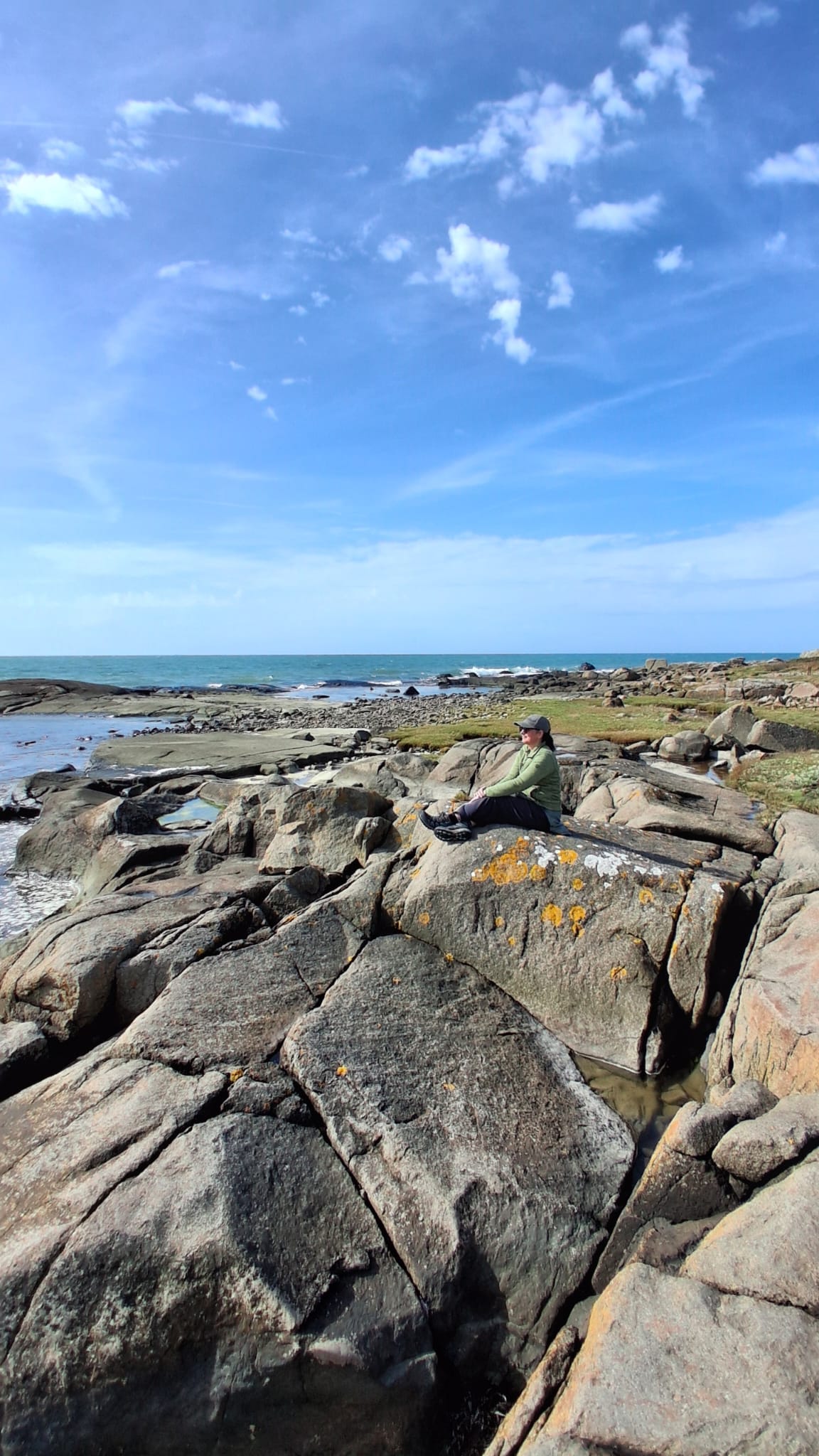
Almost everyone I speak to assumes that the long, dark winters must be the hardest part of living this far north in Sweden.
But for us, that really isn't the case.
Yes, it can get pretty cold here in January and February. -20°C is not unusual, and sometimes temperatures drop to -30°C or even lower. But personally, I find the cold much easier to deal with than the endless daylight in summer.
And there is a big difference between -15°C without a cold wind and -5°C with that damp, icy wind that seems to go right through everything. Although I have to admit that when temperatures drop below -25°C, I don't really want to spend any longer outside than necessary to take care of the horses and walk the dog.
From the beginning of May until the middle of August, it doesn't really get dark here. The sun does go down, and there is a period of twilight, but it never gets completely dark.
For quite a long time, we have almost 24 hours of daylight.
And that is what I find harder than the dark winter months.
I have always been sensitive to light and sound, and I usually wear sunglasses when I'm outside. But that isn't the only thing that makes summer here different for me compared to the Netherlands.
Sometimes I find it quite difficult.
My body simply doesn't seem to be made for sleeping when there is still plenty of daylight outside, no matter how tired I am. And because I haven't completely recovered from my burnout yet and I'm going through menopause, my hormones are also a bit out of balance.
I have the feeling that my cortisol is still too high and that there isn't enough melatonin yet. But I'll write about that another time.
We have partly found a way to deal with it. Blackout curtains in the bedroom and a fixed routine: we go to bed around 9:30 or 10:00 in the evening, regardless of how bright the sun still is outside.
We've noticed that this helps us maintain our sleep rhythm, although it doesn't work every single night yet.
And then, after June 21, the night slowly returns
From the longest day onwards, the sun sets about three minutes earlier each day and rises about two minutes later. At first, you barely notice it, but from the end of August onwards, the difference compared to summer becomes much more noticeable.
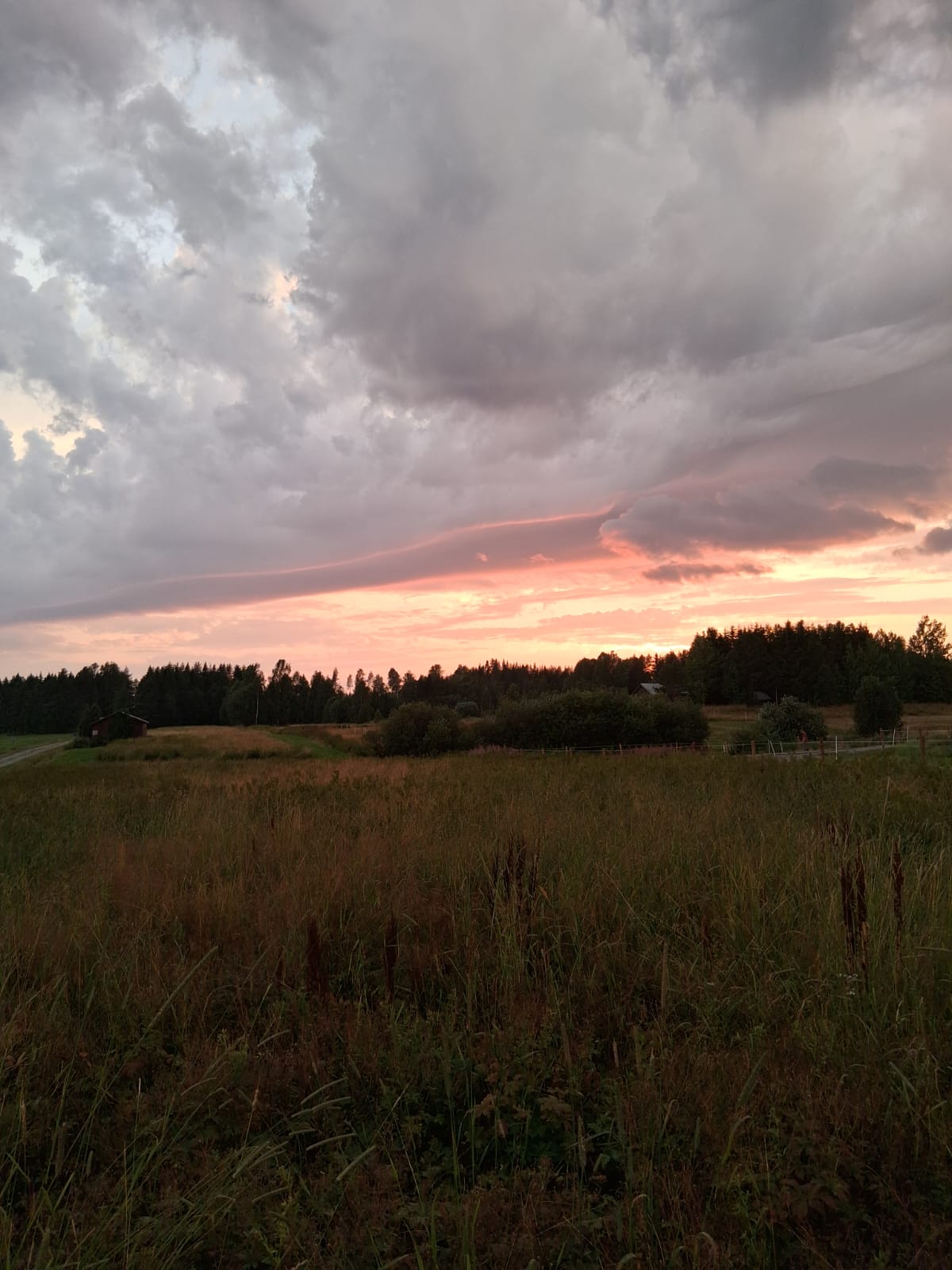
You can feel it, but you can also see it.
In autumn and winter, as soon as it gets dark outside, we close the curtains and turn on all the lights in the living room.
It may sound like a small thing, but that moment, bringing light inside as it gets dark outside, has become one of my favourite rituals of the year.
The Christmas lights are already up from the beginning of November and stay up until March.
On the shortest day of the year, December 21, the sun sets here at around 1:30 pm and doesn't rise again until 9:37 am.
That takes some getting used to.
Especially when you're used to the Netherlands, where the days are shorter in winter too, but the difference isn't nearly as big.
Because we deliberately make sure there is plenty of light inside, we fortunately don't find it too difficult. And I think we'll get more used to it every year.
The twilight usually lasts another half hour to an hour after sunset, so it gets completely dark a little later.
But what is really nice is that not long after the shortest day, the days start getting longer again by about two minutes every day.
You feel and see the difference sooner than you might expect.
Some people we know here in Sweden told us that when there is no snow from November through February, it feels much darker.
Snow reflects the light, after all.
We haven't experienced a winter without snow in the past three years, so I can't share any personal experience with that yet.
And then there is vitamin D
All that light, or the lack of it, has also made me think more about vitamin D.
In the past, I mainly knew vitamin D as "the vitamin for strong bones." That was pretty much where my knowledge ended.
Since starting my training to become an orthomolecular therapist, I've been learning more and more about the role vitamin D plays in different processes in the body.
And because of that, I've started looking at it differently myself.
In summer, we naturally have many more opportunities to produce vitamin D through sunlight here. In winter, that's very different, and we need to be more aware of whether we're getting enough vitamin D.
Especially because I regularly had a vitamin D deficiency when I still lived in the Netherlands.
That's why this year we're going to have our vitamin D levels checked in September and again in January, using a dried blood spot test that we can do at home.
That gives us an idea of where we are before going into the darker winter months, and later we can see whether anything has changed.
I like knowing where we actually stand rather than simply assuming everything is fine.
I'll write another blog about what we use and why.
Getting ready for autumn and winter
This year, we're also taking part in the Herfstproof Challenge organised by our team.
It's an 8-day challenge designed to help you prepare for autumn and winter physically, mentally and emotionally. It's a nice extra push to enter these darker months consciously rather than simply letting them wash over us.
If you're interested in the challenge or want to know more about what we're doing, feel free to send me an email. I'll be happy to help you, even if you don't end up joining the challenge.
Living here has taught me that light has much more influence on your daily life than I ever realised.
In summer and in winter.